Norway creates vast marine sanctuary the size of 260,000 football pitches

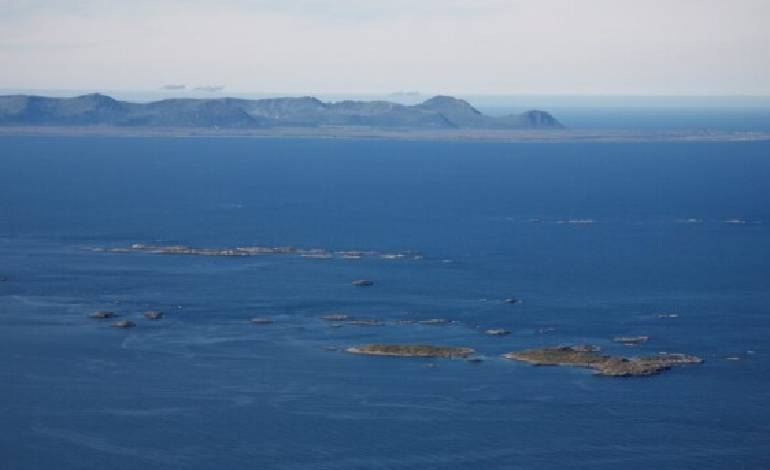
Oslo: Norway has established a major new marine protected area in its far north, safeguarding 714 square miles of rich Arctic waters known for coral reefs, kelp forests, and pods of whales.
The Andfjorden Marine Protected Area was officially designated on September 18th by the Norwegian government.
The reserve covers waters in the northernmost part of Nordland and the southernmost part of Troms, extending into the municipalities of Andøy, Harstad, and Senja.
Home to a remarkable range of marine life, the area contains coral reefs, coral gardens, and sponge and sea-pen communities. Its kelp forests, shell-sand, and maerl beds provide critical spawning, nursery, and feeding grounds for numerous fish species, while also supporting large numbers of whales and seabirds.
“It contributes both to our food supply and to unique nature experiences,” said Minister of Climate and Environment Sigrun Aasland. “The protection will help ensure that future generations can also enjoy the natural values of Andfjorden.”
The protected area includes several core zones containing particularly valuable and vulnerable biodiversity, where restrictions on human activity will be stricter than in the rest of the reserve.“This shows that we can protect nature effectively while also facilitating fisheries, space activities,” Aasland said in a statement. “I would like to commend the municipalities, local communities and all users of the area for their excellent cooperation… I am confident that everyone will contribute to ensuring that the new protected area is well looked after.”The reserve will be managed by a dedicated board comprising representatives from the municipalities, county authorities, and the Sámi indigenous parliament.
Andfjorden is one of 36 areas originally included in Norway’s Marine Protection Plan from 2004. With this decision, 24 of those areas have now been protected, raising the proportion of protected territorial waters off mainland Norway from approximately 4.8% to 6%.
The announcement is part of a global wave of ocean protection. Recent months have seen new marine reserves designated in the Coral Triangle, around Papua New Guinea, Easter Island, and along the Turkish Mediterranean coastline.