WHO certifies Timor-Leste as trachoma-free; Entire Southeast Asia region now eliminated

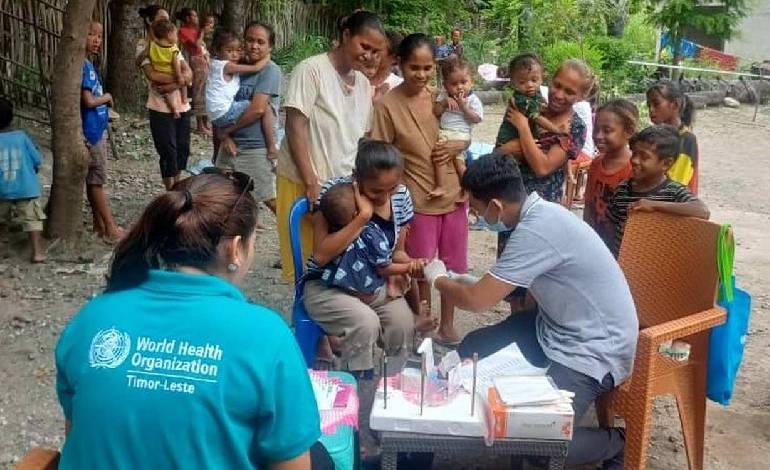
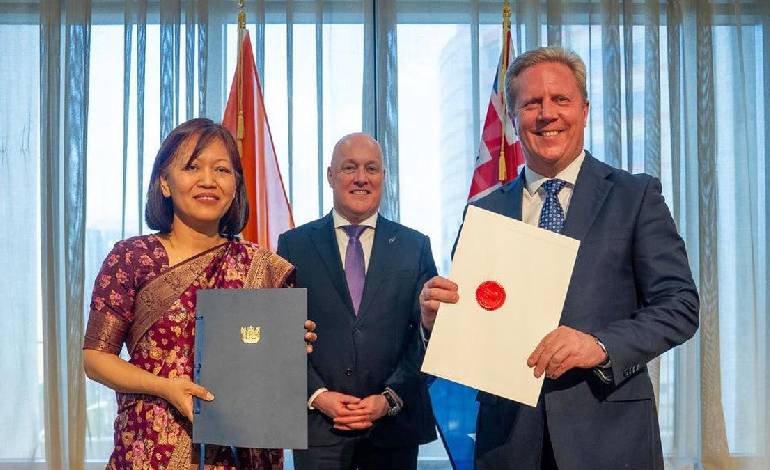
The World Health Organization (WHO) has certified Timor-Leste as having eliminated trachoma as a public health problem.
With this, the entire Southeast Asian region as defined by the WHO is now trachoma-free, meaning over 2 billion people live with minimal risk of contracting the bacteria and with access to services capable of detecting and treating it.
“The elimination of trachoma from the South-East Asia Region is a significant step towards our global target of eliminating trachoma worldwide by 2030,” said Dr. Tedros Adhanom Ghebreyesus, WHO Director-General. “I congratulate Timor-Leste on this important achievement.”
Trachoma, caused by Chlamydia trachomatis, is the leading infectious cause of blindness. Repeated infections can lead to scarring of the inner eyelid, causing eyelashes to turn inward, which can ultimately result in blindness. The disease is strongly associated with poverty and inequities in access to water, sanitation, hygiene and medical services.
WHO’s validation follows a rigorous multi-year process. Investigations between 2015 and 2017 examined children on Atauro Island, screened patients at eye clinics across the country, and conducted house-to-house searches. No trace of trachoma was found.
In a 2025 survey, 4,949 samples from children aged 1–5 years across all 13 municipalities showed no evidence of transmission requiring public health intervention.”Timor-Leste has once again demonstrated that strong national leadership, high-quality evidence and integrated health services can deliver lasting public health gains,” said Dr. Nilesh Buddha, Officer-in-Charge at WHO Southeast Asia Regional Office.
Laos achieved elimination in 2017, followed by Nepal in 2018, Myanmar in 2020, and India in 2024. Vietnam, Cambodia, Bangladesh, Sri Lanka, Maldives, Bhutan and Thailand had also eliminated the disease earlier.