7 in 10 Brits say AI will never replace advice from elders: Study

London: More than seven in 10 Brits believe artificial intelligence will never replace advice from their elders, a new study has found.
A survey of 2,000 adults found that while 21 percent use AI tools for help several times a week, 92 percent believe some forms of wisdom can only be gained through lived experience.
The poll found 71 percent feel AI advice will never replace genuine human connection, with mums (39 percent), female friends (20 percent) and sisters (12 percent) ranked among the most trusted sources of advice.
Respondents said they turn to older people for tips on making a relationship last (19 percent), coping with stress (19 percent) and navigating a career change (13 percent).
Older generations are also valued for practical know-how, including weeding the garden (16 percent), bleeding a radiator (18 percent) and removing stains from clothes (25 percent).
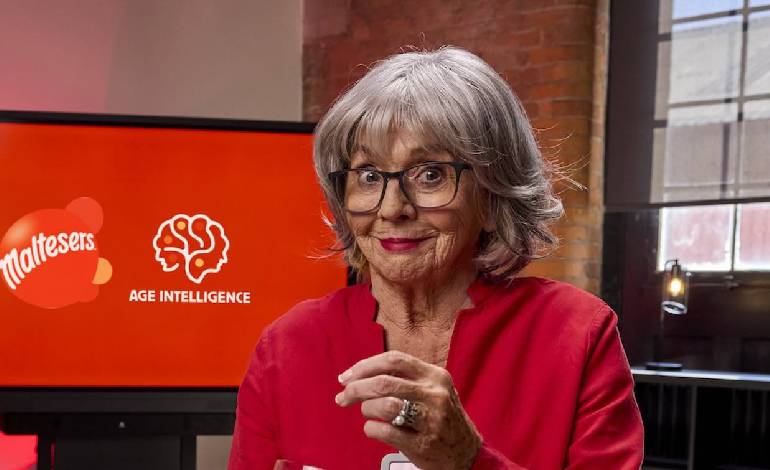
The research was commissioned by Maltesers as part of its 90th anniversary celebrations. The confectionery brand is encouraging people to submit questions to its ‘Age Intelligence panel’, a playful spoof on AI hosted by British actor Sue Johnston.“AI is very handy for quick answers,” Johnston said. “But it can’t tell you what a real person would say, remind you to take a cardigan, or confirm that you’re definitely not overreacting.”“Real wisdom comes from living through life’s ups and downs,” she added.
According to the OnePoll findings, 55 percent of those who believe AI will never replace advice from older generations say it is because they offer real-life experience that technology cannot replicate. Almost half said advice from older people is more authentic, while 43 percent believe they better understand the nuances and emotions behind a situation.
Among the most valued pearls of wisdom cited were “save for a rainy day”, “treat others as you would like to be treated”, and “life is too short to hold grudges”.
However, 64 percent of AI users admitted they have sought help from a chatbot when they could have spoken to a real person. Four in 10 chose AI for immediate answers, 25 percent appreciated the anonymity, and another quarter preferred it because it can explain things more simply.
Despite this, trust remains low for personal topics, with just 18 percent relying on AI for parenting advice and 17 percent for relationship advice. By comparison, 77 percent prefer advice from real people on personal matters.
“There are some things AI simply can’t replicate — the stories, perspective, humour and connection that come from real-life experience,” said Claire Norgate from Maltesers, which is also celebrating its long-standing partnership with Comic Relief that has raised more than £8.5 million for charity.