The science behind why animals change colour

In nature, the ability to change colour can be key to survival. According to National Geographic, vision is one of the most important senses in the animal kingdom, and many animals have evolved unique ways to use it to hide, hunt, flirt or fight.
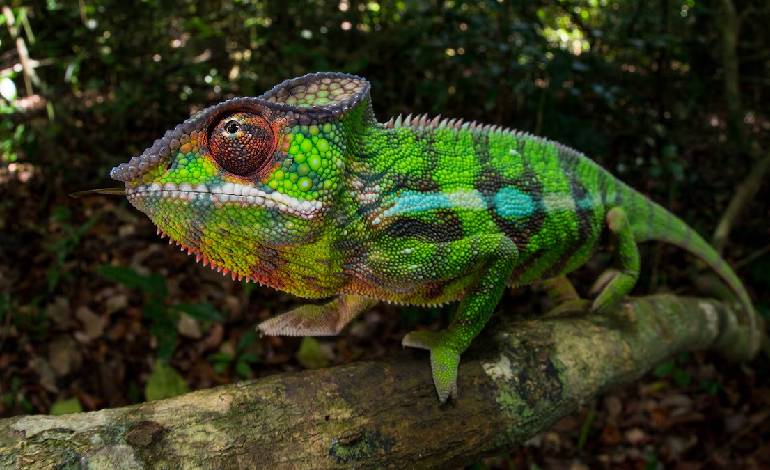
One of the most famous examples is the panther chameleon. Its skin contains two layers of crystal-containing cells called iridophores. When the animal is relaxed, the crystals are close together and reflect blue light, which combines with yellow pigment to look green. When it stretches the cells, the crystals move apart and reflect colours from yellow to red.
Despite popular belief, chameleons don’t mainly change colour for camouflage. Males use flashy displays to attract mates and intimidate rivals, while females turn dark and aggressive when they are not available for mating. The deeper layer of crystals also reflects near-infrared light, helping the cold-blooded reptiles regulate body temperature by absorbing more heat.
Even more advanced are octopuses, squid and cuttlefish. These cephalopods have pigment-filled chromatophores controlled directly by their nervous system, allowing them to change colour and pattern in less than a second. They can also change skin texture using papillae muscles to mimic rocks or coral, and can do so even in near darkness.
The science is now inspiring technology. Researchers have developed flexible, pixelated sheets that mimic octopus skin by detecting light and changing pattern from black to white, a first step toward adaptive camouflage for vehicles or clothing.
Scientists believe colour change likely first evolved for camouflage, but now serves many needs at once — from staying hidden to staying warm.