The Henrietta Lacks story: How one woman’s cells transformed science without her consent

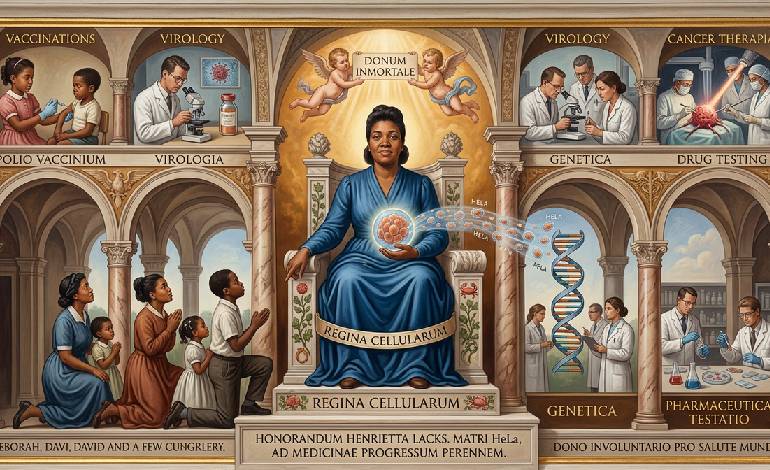
Baltimore: Henrietta Lacks, an African American tobacco farmer from the southern United States, remains one of the clearest cases of science benefiting from a marginalized individual without acknowledgment or consent.
Lacks sought treatment for cervical cancer at the ‘coloured ward’ of Johns Hopkins in 1951. During her care, doctors took samples of her tumor without her knowledge or permission. At the time, it was common practice to collect tissue from patients, especially African American women, without explicit consent.
Her cells proved unlike any others. While most human cells die quickly outside the body, Lacks’ cells survived, divided, and continued to grow indefinitely in lab conditions. Labeled with the acronym HeLa, they became the first human cells successfully cultured outside the body.
The HeLa cell line went on to transform medical research. Scientists used it to develop the polio vaccine, advance virology and genetics, study cancer, and test the effects of radiation and toxins. The cells have been bought, sold, and shipped around the world for decades.
Yet for years, Lacks’ role was erased. The scientific community relied on HeLa cells while the donor remained anonymous, with her name, story, and family largely obscured. Her case is now cited as a landmark example of epistemic dominance, where a powerful institution overrode and exploited a marginalized patient.
The Lacks family did not learn about the widespread use of HeLa cells until the 1970s. Since then, her story has prompted reforms in bioethics and informed consent standards.