She was allowed in where Afghan women aren’t: An Indian solo traveller’s uneasy journey

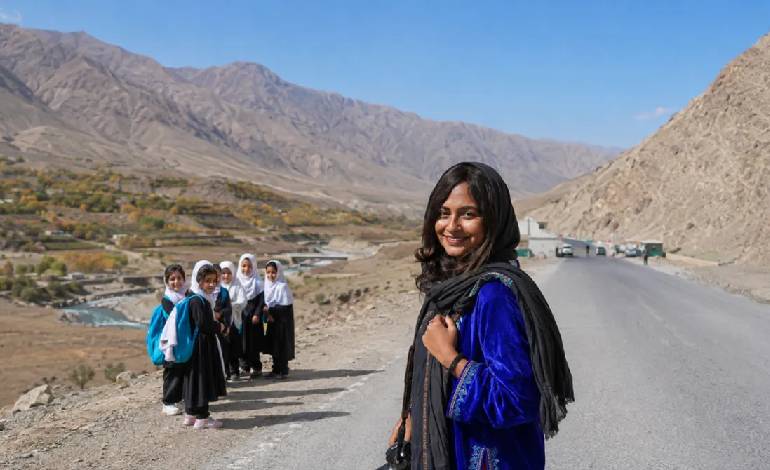
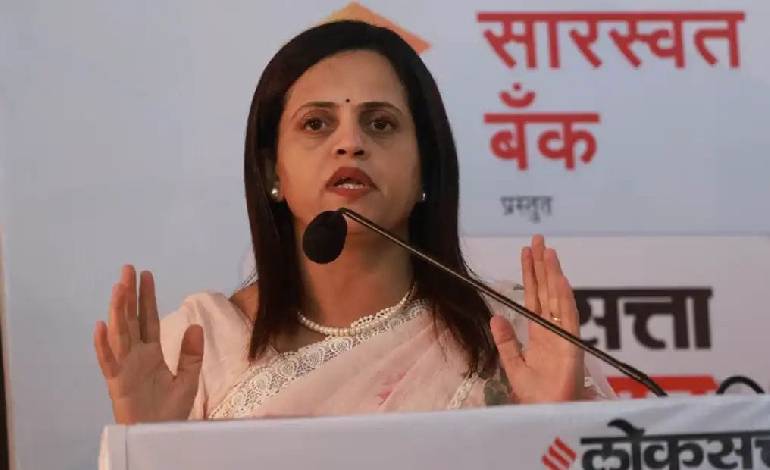
New Delhi: Travel creator Sharanya Iyer, known online as Truly Nomadly, whose solo leisure trip across Afghanistan in November 2025 has drawn lakhs of viewers, says she wants to document the country without turning it into a travel itinerary.”I want people to know about Afghanistan, but I’m not promoting tourism there,” Iyer said in an interview.
Iyer’s series, including what she called the “Kabul Express,” moves through Kabul’s crowded markets, mountain roads, tea stalls and checkpoints in a country where tourism is permitted only with authorised local guides who arrange movement permits.”My passport always had to be in the car. At every checkpoint, my guide would show the documents,” she said.
The journey highlighted the difference between a visitor’s access and local realities. On the road to Band-e-Amir National Park, Iyer said she was asked to cover her head with a scarf because local women are not permitted to enter, but was allowed through as a tourist.”I am a tourist. Male or female doesn’t matter. I have different rules,” she said.
While describing warmth and hospitality — “As an Indian tourist, I felt very safe… The minute I said I was from India, their body language changed. They love India. They love Bollywood” — Iyer also noted the conspicuous absence of women in public life, with girls’ education effectively ending after Class 6 and universities no longer admitting women.”The absence of women in public life is very conspicuous… One must never forget that what one is experiencing is purely as a tourist. It’s not the blanket truth for the country or the people,” she said.
Among her experiences was meeting a box photographer in Kabul, whom she described as the last practitioner of the craft in the city, and standing before the empty niches of the Buddhas of Bamiyan, a former centre of Buddhist learning.”I was crying,” she said of Bamiyan, adding she is now researching a film on the site’s layered history.
Iyer said the trip reinforced a distinction she first understood while backpacking through Iran: “The people are not their government. The people are not their regime.” She said Afghan women she spoke to described relief that decades of war had subsided, alongside candour about current restrictions.
She now mentors a young Afghan girl through an international online programme.
Explaining her decision not to share visa guides or itineraries, she said: “I want people to know about Afghanistan. But how to go, when to go, or maybe why to go — you will not see that.”