Protein linked to longevity found in mouse that lives 5 years

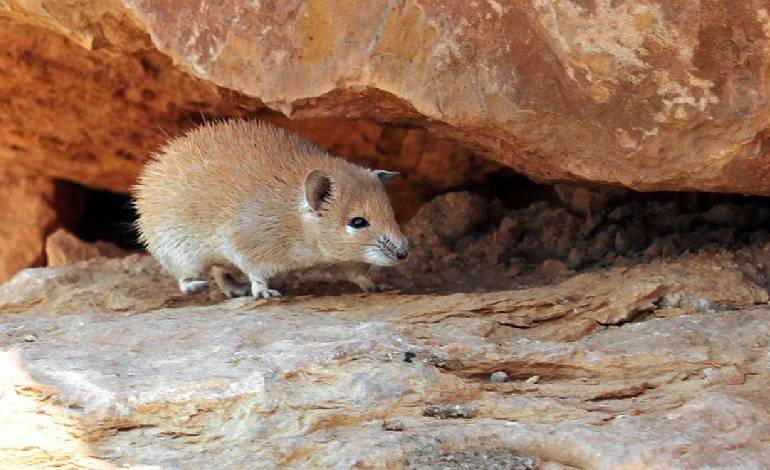
New Haven, Connecticut: Yale researchers have found high levels of a longevity-linked protein in the golden spiny mouse, a desert rodent that can live up to 5 years — far longer than the typical 9-month lifespan of wild mice.
The study, led by Vishwa Deep Dixit of Yale School of Medicine, found the mice not only live longer but also stay healthy longer, remaining active and avoiding age-related decline.
The key finding was high activity in immune cells that produce clusterin, a protein also found in high amounts in humans aged 100 or older. Clusterin helps clear misfolded proteins and is tied to lower inflammation and healthier aging. In lab tests, it improved organ function and activity levels in older mice.
Researchers also found the thymus gland stayed functional into old age in these mice, unlike in most other mammals where it shrinks early.
The team says the results point to metabolic pathways that resist aging. Similar pathways may exist in humans, but more research is needed.