“Pioneering pairs” driving osprey recovery in Britain, study finds

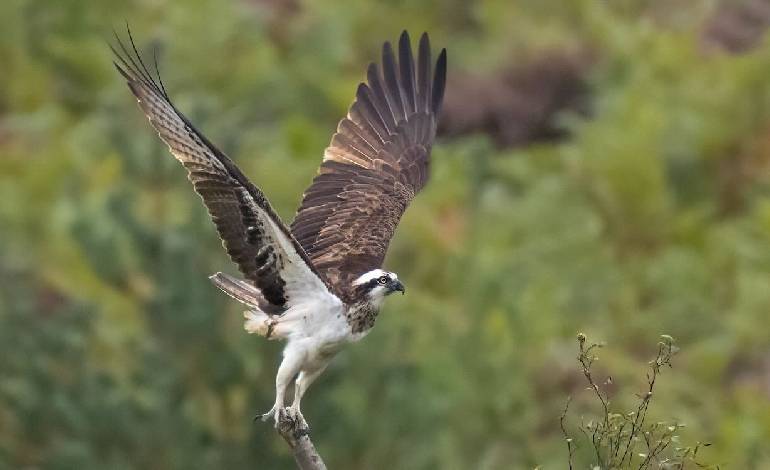
Ospreys are recovering in Britain thanks to “pioneering pairs” that nest far from the main population, according to new research.
The study, published in the Journal of Animal Ecology, analyzed 54 years of data on osprey recolonization in northern Scotland. Researchers found that while most ospreys nest close to others, a small number of pairs settle more than 12 miles, 20 kilometers, away. These “pioneering pairs” create new subpopulations and speed up the species’ recovery.“Ospreys usually like to nest where others already are, which makes spread very slow,” said lead researcher Brittany Maxted of Bournemouth University. “The pioneers are key to expanding their range.”
Ospreys went extinct in Britain in 1916 but returned in 1954. Conservationists say encouraging pioneering behavior could help them recover faster. That includes building artificial nests and translocating chicks.
The approach has already worked in Poole Harbour, Dorset. A translocation project moved chicks from Scotland between 2017 and 2022. In 2022, the first breeding pair in Southern England since 1847 hatched chicks there. This summer they raised four chicks for the third year in a row.Researchers say similar measures could help restore ospreys across more of Europe.