“Miracle Tree” seeds filter 98.5% of microplastics from water, study finds

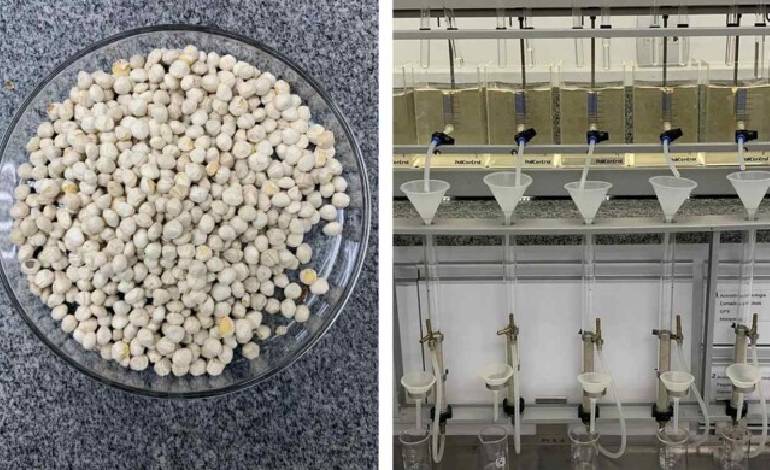
A tree used for medicine for thousands of years may now help humanity tackle microplastic pollution. The Moringa tree, sometimes called “the Miracle Tree,” filtered 98.5% of PVC microplastic particles from water in a recent study. Researchers tested the seeds in a machine that mimics municipal water treatment and found they worked as well as heavy metal alternatives.
Moringa has long been valued for healing and nutrition. Now scientists say its seeds could be a tool against one of today’s biggest environmental threats. Microplastics are a global challenge. Ranging from visible fragments to particles 1/25,000th the width of a human hair, they have been found circling the jet stream, in the deepest ocean trenches, and in every human organ examined — from the brain to the placenta. The average person may consume up to 10 credit cards’ worth of plastic each year through drinking water and city air alone.
While the full health impact is not yet known, plastics act as endocrine disrupters, blocking or confusing hormone signaling. Solutions are urgent as plastic production keeps rising. Dr. Adriano Gonçalves dos Reis, a professor at the Institute of Science and Technology of São Paulo State University, has studied the tree for years. He believes its seeds may help combat microplastic pollution.