Isle of Man records best Whale and Dolphin season since 2010

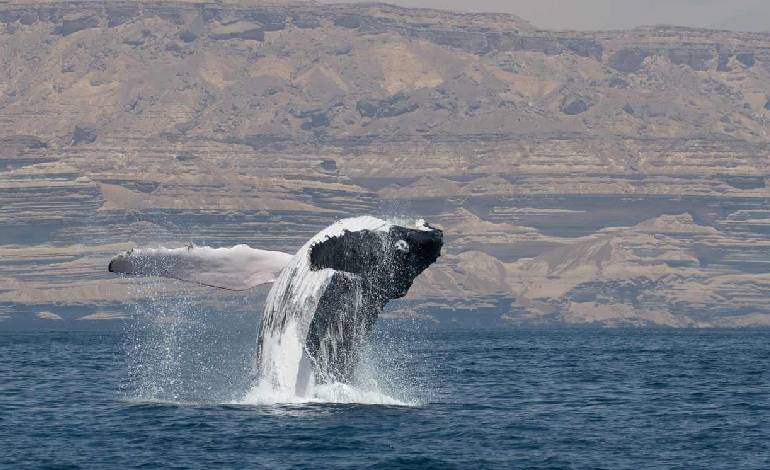
Isle of Man: Marine experts on the Isle of Man have reported a bumper year of whale and dolphin sightings, describing it as the best since 2010.”We’ve had an absolute abundance of them,” said Jen Adams from Manx Whale and Dolphin Watch.
Almost 100 sightings have been reported to the charity so far this year, compared to about 20 last year and just eight the year before.”It has gone up massively,” said Adams, the charity’s outreach and education manager.
According to experts, the surge is driven by food availability. “It’s because the food is here, more than anything,” Adams explained.
Basking sharks feed on zooplankton, mostly tiny shrimps called copepods, and this summer Manx waters have been full of them.”This summer we recorded absolutely massive blooms of this pink coloured plankton, all the way along the west coast,” she said.
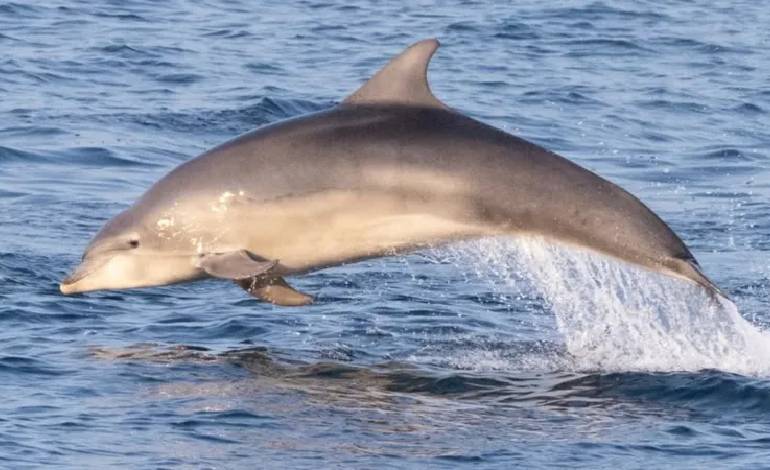
While dolphin numbers have held steady, bigger sightings may still be ahead. Bottlenose dolphins return to the island in October and stay until March.”In the wintertime we actually see huge pods of bottlenose dolphins, sometimes up to 150 or 200 dolphins together in one place. Calm autumn and winter days are the ones where you will have the highest chance to see dolphins,” Adams said.
Around 98% of the charity’s sightings come from people watching from the coast.”There are so many people that have said to me, ‘Oh, I’ve never seen anything,’ but they’re not looking. It’s important to actually spend a bit of time stopping and actually staring out,” she said.
Her top tip for spotting dolphins is to watch the birds. “If we see a load of gannets diving, then it could be an indicator to us that there’s going to be some dolphin fins popping up.”Sightings can be reported to the charity by phone, on Facebook, through its live Telegram group, or on its website.
Meanwhile, the island’s resident dolphin pair, Moonlight and Starlight, are still being seen regularly. Moonlight came from Scotland seven years ago to give birth to Starlight and the two keep almost entirely to themselves, rarely mixing with other pods and often coming unusually close to shore.”I’ve seen them within two metres of Peel promenade when it was high tide,” Adams added.