India’s early computing push offers lessons for future chip ambitions

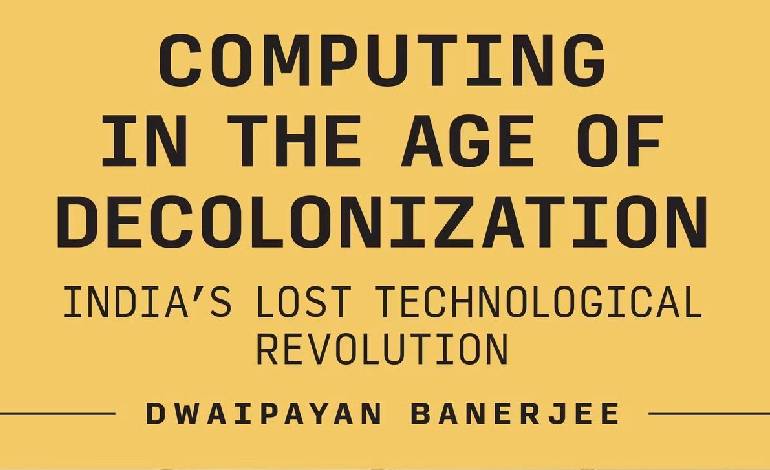
New Delhi: A new book on India’s computing history argues that the country’s early efforts to build indigenous technology hold important lessons for its current push into semiconductors and hardware.
In ‘Computing in the Age of Decolonization’, MIT-based historian Dwaipayan Banerjee traces India’s computing industry from the 1950s to the 1980s and examines why attempts at technological self-reliance did not translate into a lasting hardware ecosystem.
The book highlights the role of the Tata Institute of Fundamental Research (TIFR), where scientists viewed computing as central to national sovereignty. At TIFR, researchers built TIFRAC, an indigenous computer completed around 1960.
According to Banerjee, while the postcolonial Indian state backed the flagship project, it failed to build an industry around it. That led to a weak domestic electronics base and technical talent remaining concentrated in a handful of institutions.
The author notes that over the decades, the Indian software industry acquired significant technological capacity, but hardware design and development did not receive the same impetus.