Humpback whale populations surge worldwide, fueling record whale-watching seasons

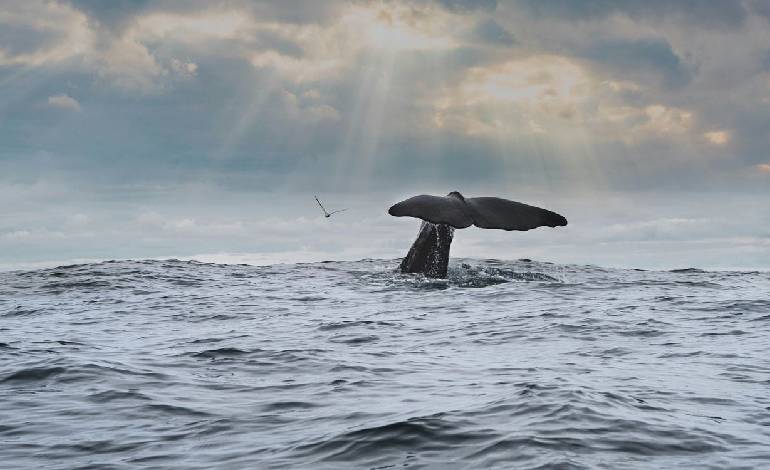
Rio de Janeiro: The global population of humpback whales continues to climb, with record numbers being spotted during single whale-watching seasons from Brazil to Australia.
In Brazil’s Guanabara Bay, whale-watching trips are drawing more visitors as humpback numbers have rebounded dramatically. The population has grown from an estimated 2,000 in 1986 to around 35,000 today, according to conservation groups.
Every year between June and November, the giant marine mammals migrate from Antarctic feeding grounds to warmer waters to breed. The population that passes Guanabara Bay and Rio de Janeiro heads toward Abrolhos Bank off the coasts of Bahia and Espírito Santo — one of the most biodiverse coral reef regions in the Atlantic.
The migration puts the whales squarely in view of camera lenses and tour boats run by groups including the Humpback Whale Project, Amigos da Jubarte (Friends of the Humpback Whale), and the Niterói tourism agency’s whale-watching program.
“It’s wonderful,” said Enrico Marcovaldi, co-founder of the Humpback Whale Project. “It shows that the whales are making a recovery, are healthy and thriving, and hopefully they’ll continue to do so.”
“Tourism can be a tool for the protection of species,” said André Bento, president of Niterói’s tourism agency, during an outing in late June. “I don’t think anyone who gets on this boat comes off the same way, right?”
The Brazilian recovery mirrors a wider trend. Record numbers of returning humpbacks have also been reported in South Africa, eastern Australia, and in the Salish Sea off Seattle, where the whales were absent for many years and now number in the hundreds.
Conservationists say the rebound reflects decades of protection efforts and healthier ocean ecosystems, and that responsible whale-watching tourism is helping build public support for continued protection.