How one student’s question turned a Rajasthan village into a 100% zero-waste model

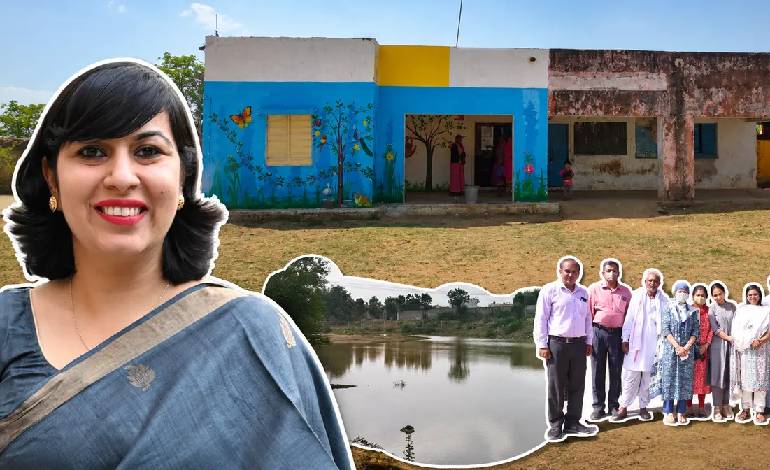
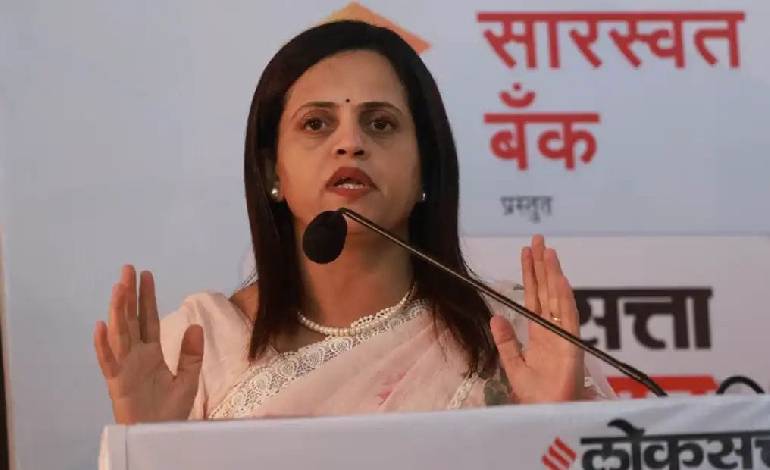
Rajasthan: A single classroom question changed the course of Dr Sudipti Arora’s career — and transformed an entire village.
The biotechnologist, who holds a PhD from IIT Roorkee, was teaching when a student asked: “Ma’am, is any of this useful outside the classroom?” Instead of letting it go, she decided to take science out of the lab and into Aandhi Gaon, Rajasthan, to find practical solutions for everyday problems.
She drew up a plan to make the village completely zero waste and secured a Rs 2 crore grant to implement it. On the very day the funding was approved, Dr Arora was diagnosed with Stage 2 cancer. Even while undergoing chemotherapy, she continued to lead the project.
Where nothing goes to waste
One of the first systems she introduced was her patented vermifiltration technology.
“Vermifiltration technology is being implemented at Aandhi Village, Rajasthan,” she says. Using earthworms, gravel layers and solar-powered pumps, the system cleans kitchen and bathroom wastewater so it can be reused for farming.
The village school also became part of the effort. Food scraps are now fed into a biogas plant that fuels the school kitchen. “This biogas is used in our school kitchen. And whatever waste is there, we put it in this, and biogas is made from it,” a student explains.
Dr Arora also noticed that nearly 80% of the village’s sewage was being discharged into a water body. In response, her team built a 20 KLD constructed wetland. “Plants treat this sewage wastewater, and the water is being used for sustainable agriculture practices,” she says.
Aandhi Gaon today
The village is now 100% zero-waste and self-sustaining. Every household segregates waste, composts kitchen waste, and participates in daily collection. Water is treated and reused, organic waste returns to the soil, and very little leaves the village as waste.
What began with one student’s question has become a working example of how science, community participation, and determination can reshape rural living.