From village outcast to Nobel nominee: Tamil Nadu’s ‘Pad Man’ recognized for menstrual health revolution

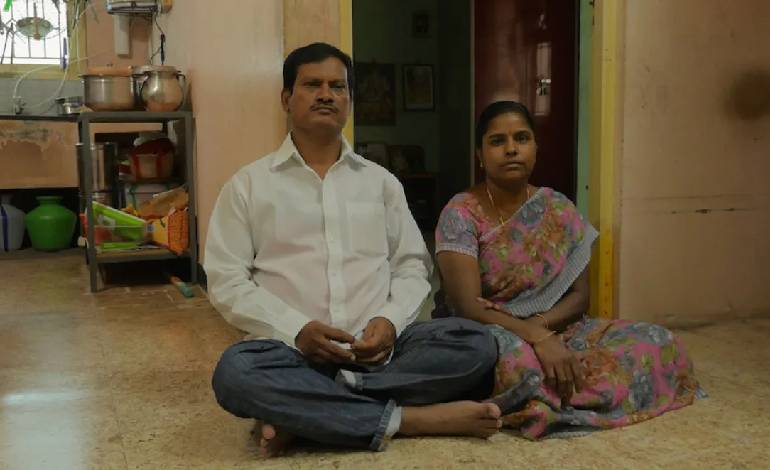
Coimbatore: Arunachalam Muruganantham, the Tamil Nadu innovator who built a low-cost sanitary pad machine, is among the nominees for the 2026 Nobel Peace Prize.
The nomination caps a two-decade journey that began with stigma and ended with global impact. Muruganantham’s work has expanded menstrual health access for millions of women across India and 18 other countries. But in the early 2000s, his mission made him a village outcast.
Ridiculed for innovation
It started when Muruganantham discovered his wife used old rags during her period. Appalled by the health risks and cost of commercial pads, he set out to make an affordable alternative.
Neighbors whispered. His wife left him for a period of time. To understand what women endured, he tested prototypes himself by simulating menstruation — an act that drew more scorn than support. “To those around him, this was not innovation,” a local recounts. “It was seen as something deeply inappropriate.”
The machine that changed minds
Muruganantham persisted. After years of trial and error, he built a machine that lets women’s groups manufacture pads for roughly one-third the price of branded products.
The units are now used in 23 Indian states and across Africa and South Asia. They’ve enabled thousands of women to start small businesses, kept girls in school, and pushed menstrual health into public conversation.
Global recognition
The Nobel Committee does not comment on nominations. Laureates for 2026 will be announced in October. Nominees are submitted by academics, lawmakers, and other qualified individuals worldwide.For Muruganantham, the shift from ridicule to recognition underscores how one taboo-breaking idea can reshape health, livelihoods, and dignity.