Bulgaria’s flamingo boom boosts birdwatching and conservation

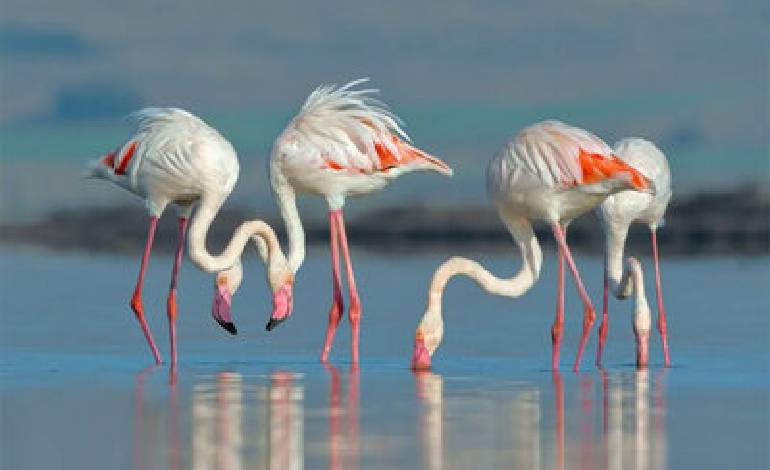
Burgas: A growing population of Greater Flamingos at Lake Atanasovsko near Burgas is drawing birdwatchers to Bulgaria’s Black Sea coast and strengthening conservation efforts in the area.
The lake has seen numbers rise sharply in recent years. Around 159 birds were recorded in 2019, but by 2022 the count exceeded 4,100. A midwinter census also registered 2,712 flamingos across Atanasovsko Lake, Pomorie Lake, and the Poda protected area.
In a milestone for the country, Greater Flamingos were recorded nesting in Bulgaria for the first time. Experts from the Bulgarian Society for the Protection of Birds (BSPB) observed at least 80 birds on nests at Atanasovsko Lake, within a colony of about 600 individuals. A pair later hatched three chicks at the lake in early June, marking the first confirmed breeding in Bulgaria.
Scientists say the birds likely arrived from colonies in Turkey and Greece, with some ringed birds also coming from France and Spain. The species is attracted to the lake’s shallow salt marshes and abundant food like salt crab and brine shrimp.
Experts link the growing numbers to climate change and improved habitat conditions. The increase has also boosted birdwatching tourism, with the flamingo becoming a new emblem for Burgas.
Conservation groups warn the birds are highly sensitive to human disturbance during nesting. Access to parts of Atanasovsko Lake is restricted under the Biodiversity Act, and salt production in the area is managed by Black Sea Saltworks.
The flamingo boom is part of wider wetland restoration work in the region. BSPB is collaborating with the Bulgarian Biodiversity Foundation and others through the EU-funded LIFE “The Lagoon of Life” project to monitor and protect the site.
Researchers say the arrival and breeding of flamingos signals improving ecosystem health. A study conducted in 2022 found no competition between flamingos and Pied Avocets, which share a similar diet of brine shrimp.
Authorities are urging visitors to keep their distance to avoid disturbing nesting birds.