Bengaluru sewage data tracked COVID waves when clinical testing fell short, study finds

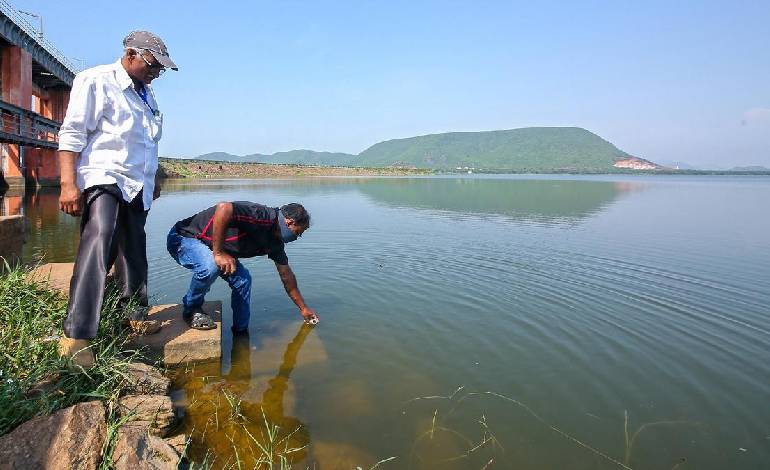
Bengaluru: Wastewater surveillance in Bengaluru closely tracked COVID-19 trends during the first Omicron wave and later became key to spotting hidden surges that routine clinical testing missed, according to researchers studying the city’s sewage monitoring network.
A study published in PLOS Global Public Health found that viral levels in sewage mirrored the rise in reported cases during Omicron. But the data offered no early warning. Researchers from the Indian Institute of Science, the International Centre for Theoretical Sciences at TIFR, and the Tata Institute for Genetics and Society said viral loads in wastewater and confirmed infections rose almost in tandem, limiting its predictive value at that time.
That changed in later phases of the pandemic. As clinical testing dropped, sewage surveillance grew more valuable. Researchers said wastewater monitoring flagged fresh waves of infection that would have otherwise gone underreported.
The findings highlight how sewage-based tracking evolved from confirming known case trends to becoming a critical tool for detecting silent surges when testing declined.