Ancient Colombian farmers built “engineering wonder” irrigation system without kings

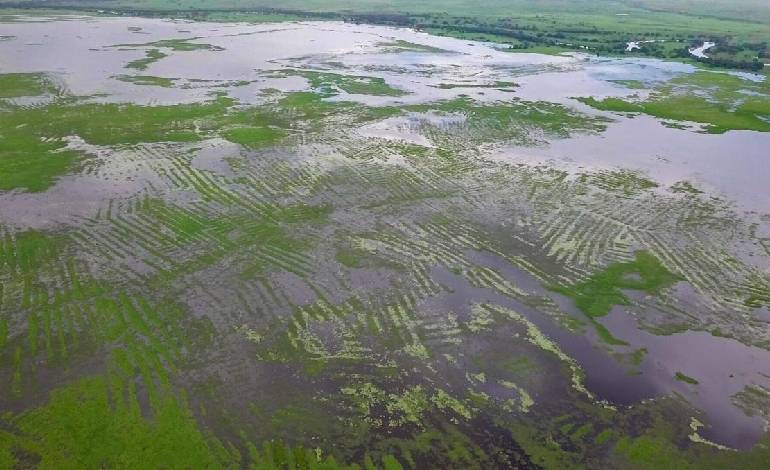
Early farming communities in what is now northern Colombia built a vast irrigation network thousands of years ago — an “engineering wonder of the world” achieved through local cooperation, not top-down government, according to new research.
The pre-Hispanic watering systems of La Mojana are so large they can be seen from high-altitude aircraft. Canals and raised fields were in use from the first centuries BC until the 11th Century AD and cover 1,930 square miles, or 500,000 hectares — three times the size of London today, according to a University of Cambridge media release.
It had long been assumed that such an ambitious project required powerful rulers to organize labor. But a new study led by Cambridge archaeologists suggests the work was locally-led, cooperative, and built much faster than previously thought.
“Our findings indicate that local communities were capable of building these systems and organizing themselves,” said study lead author Dr. Jasmine Vieri from Cambridge. “These field systems are so impressive that people have assumed they were achieved by hierarchical chiefdoms.”
The research, published in Communications Sustainability, could also offer lessons for Colombia today, which faces a water management crisis linked to climate change.