Boston and US Army Corps unveil $10.8 billion plan to protect city from sea level rise

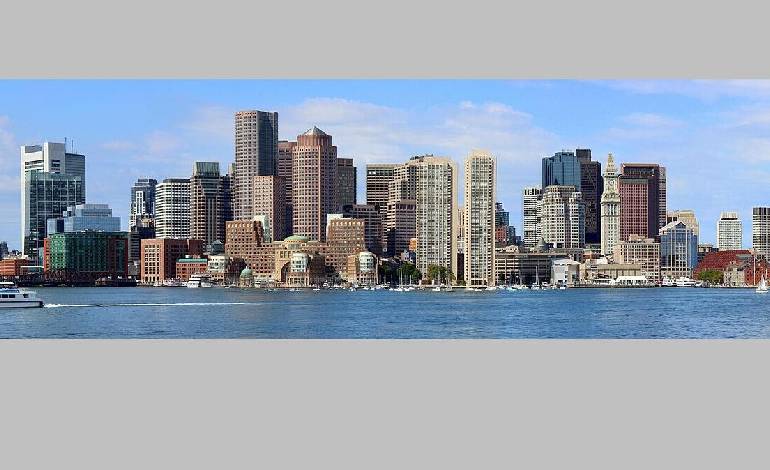
Boston: The City of Boston and the U.S. Army Corps of Engineers have released a feasibility study outlining 20 infrastructure projects to protect the historic city’s 16-mile coastline as sea levels are expected to rise by 10 to 18 inches over the next 25 years.
The study warns that without action, flooding damage to Boston’s historic buildings, neighborhoods and especially its transportation systems could cost as much as $54 billion by 2090. The proposed investments total about a fifth of that figure — roughly $10.8 billion — and would be rolled out in stages as sea level impacts worsen.“The reality is that doing nothing is not a viable option. Without action, the costs to public safety and economic vitality from coastal flooding will only be compounded,” said Lt. Col. David MacPhail, deputy commander of the Corps’ New England District.
The plan covers from above Powder Hill in the north to Columbine Cliffs in the south. It focuses on managing storm risks today and under several future sea level scenarios, tailored to each neighborhood’s needs and capacity.
USACE estimates that virtually all of Boston could experience inundation during a 100-year storm event within the next 64 years. A Corps map shows areas at risk under both intermediate and extreme sea level rise scenarios.
Boston Mayor Michelle Wu called the study “critical to understanding how to protect inland neighborhoods most at risk and unlocking resources to take action.” “The future of our city depends on the steps we take now to build resilient communities,” Wu said in a statement, citing more frequent flooding during extreme weather.
Rebecca Herst, associate director of the Green Ribbon Commission, described the Corps project as “a generational opportunity to receive federal funding to invest in our coastline,” but noted Boston will need a viable strategy to meet the required local funding match.
While the executive summary mentions seawalls as a potential measure, no specific designs have been proposed yet due to variable costs. The Corps held consultations on engineering effectiveness, economic opportunities, and environmental impacts with the city’s coastal resilience task force and other stakeholders. Federal interest in funding has been confirmed.
The task force aims to finalize its financial blueprint by next summer, aligning with the Corps’ final feasibility study. The agency will accept public comment on the analysis through September 18.