New plastic additive breaks down “stubborn” packaging into microbe food, study finds

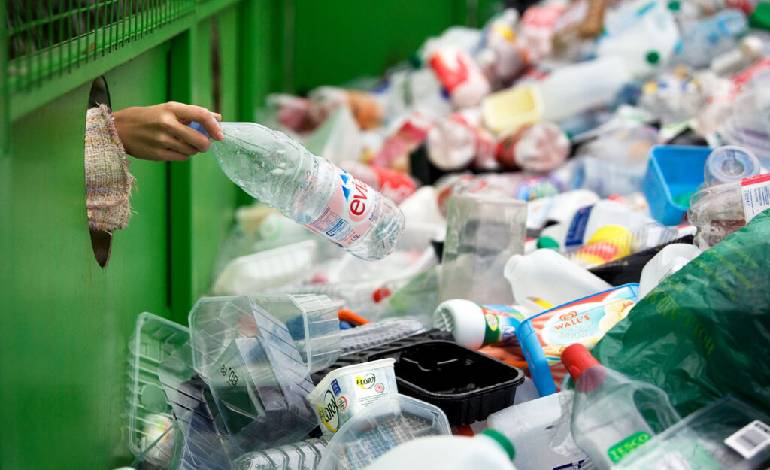
A new additive can break down some of the world’s most common plastics into material that soil microbes can consume, according to the first published evidence of its kind.
Polyethylene, PE, and polypropylene, PP, are used in everything from packaging and drinking straws to bottle caps and car parts. Their durability means they can persist in the environment for decades or even centuries once they escape waste systems.
British firm Polymateria has developed an additive called Biotransformation Masterbatch that is added to plastics during manufacturing. After sufficient environmental weathering, the treated plastic breaks down into a low-molecular-weight wax that can be consumed by naturally occurring soil microbes.
Researchers from Polymateria teamed up with Imperial College London and Malaysia’s standards and testing body SIRIM to test the technology through laboratory weathering, biodegradation and ecotoxicity trials. Several of the study’s authors work for Polymateria, which developed the technology.
In results published this week in the peer-reviewed journal npj Materials Degradation, treated PE and PP samples achieved more than 90% biodegradation in soil after 269 to 292 days. That meets the threshold used by recognised standards for complete biodegradability. Conventional PP tested alongside them did not reach the same level.
The team also found no adverse effects in earthworms, plants and aquatic organisms used in ecotoxicity tests. Analysis suggested the wax was being processed by microbes through metabolic pathways similar to those used for natural fats.
Imperial College London’s Dr Jose Jimenez Zarco called the discovery “remarkable.”“We now know how plastic materials previously thought to be almost indestructible can safely return to nature,” he said. “We are excited to be seeing this approach having real world impact on tackling plastic pollution.”Polymateria said its technology is already being used for products in UK stadiums, and more than 300 brands across Asia are adopting it.“
The research will give policymakers and industry renewed confidence that scalable solutions do exist for the 32% of plastic packaging waste that leaks into the environment each year globally,” said Dr Florence Huynh, Polymateria’s VP of innovations.