Rewilded elephants adapt “remarkably well” to life in the wild, new study finds

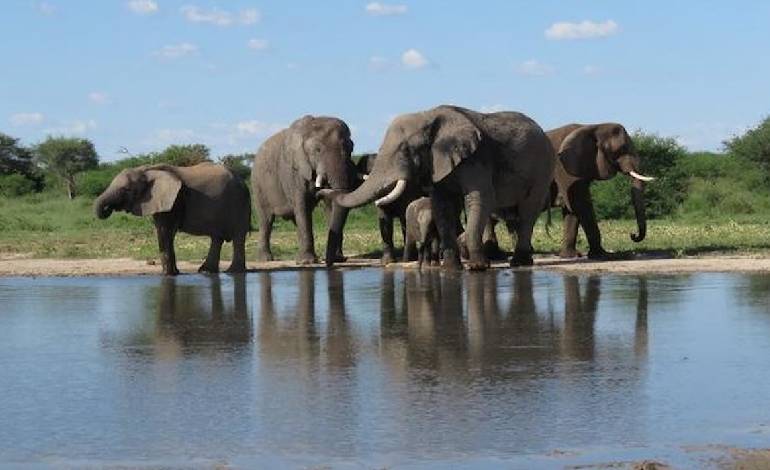
South Africa: Elephants released from captivity can readapt to the wild and fit in with their wild neighbors, according to new research from South Africa.
A team from the Elephant Reintegration Trust of South Africa studied 11 formerly-captive elephants released onto four different reserves. The animals represent more than 50% of the rewilded elephant population across South Africa so far.
For five years, researchers observed each elephant for three weeks at least once a year. They tracked behaviors and collected fecal samples to test for metabolic stress.
The findings, published in PLOS One, showed the rewilded elephants behaved “very similarly” to wild elephants. Stress hormone levels in fecal samples were also within the normal range for wild populations.
“What I found most fascinating was watching elephants that had spent decades in captivity adapt so successfully to life in the wild,” said co-author Tenisha Roos. “Seeing them respond to their environment and function much like wild elephants was truly awe-inspiring and a powerful reminder of their remarkable resilience.”Researchers did note some individual differences and variability, likely linked to each elephant’s personality, past experiences, and social circumstances. A few elephants showed slightly elevated stress markers, but nothing indicating chronic stress.“
Although previously-captive elephants may carry the memories of confinement, our research has shown that, when given the opportunity, they can leave that past behind,” said co-author Tammy Eggeling. “They are able to learn new skills, adapt to unfamiliar environments, and ultimately thrive as wild elephants.”Co-author Brett Mitchell added that the data show rewilded elephants can “regain full autonomy and re-establish natural patterns of movement and behavior,” and that they can make “a meaningful contribution to the conservation of their species.”