National Geographic’s photo ark hits 18,000 species with critically-endangered red handfish

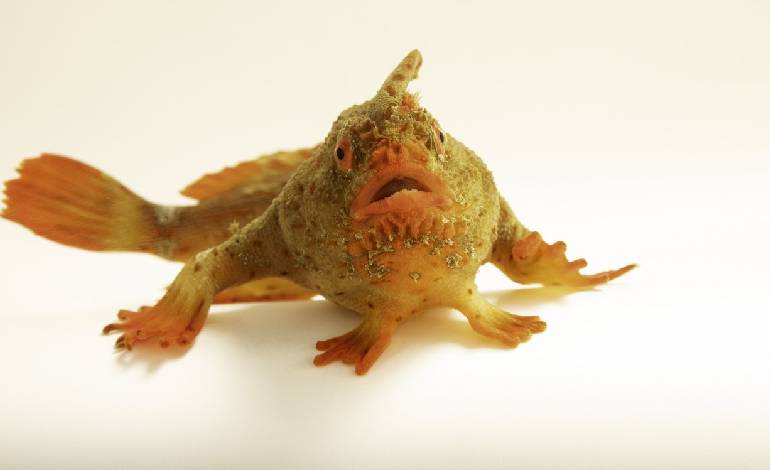
Tasmania: National Geographic has reached a major milestone in its conservation photography project, with the critically-endangered red handfish becoming the 18,000th species in the Photo Ark — just in time for the initiative’s 20th anniversary.
The tiny ocean dweller, no bigger than a human thumb, was photographed by National Geographic Explorer Joel Sartore at the Institute for Marine and Antarctic Studies at the University of Tasmania.
National Geographic calls the red handfish “the ocean dweller who struts about more like a rock & roll frontman than a fish.” With its red-lipped frown and punk-rocker look, the fish uses its fins as “hands” to walk along the seafloor instead of swimming.
Red handfish live only in a small patch of rocky reef on Tasmania’s southeast coast. Fewer than 250 individuals are believed to remain in the wild. Because they travel only about the length of a basketball court in a year, they are extremely vulnerable to habitat loss, invasive species, pollution, and warming waters. They are one of 14 handfish species and among the most threatened marine fish groups in the world.“I started the Photo Ark in 2006 with the idea that if we can illuminate species of all sizes — especially the little ones that don’t get a lot of love — then we might be able to ignite connection and compassion for all of the living things we share this planet with,” Sartore said.
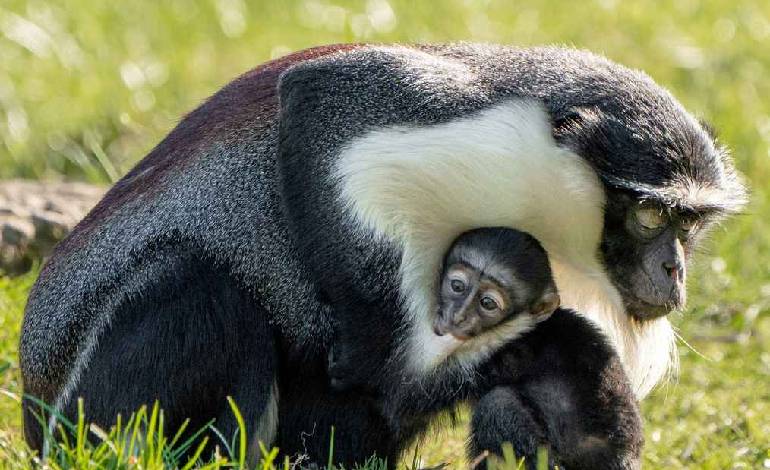
“There’s no better example of what the Photo Ark is all about than our 18,000th milestone species. The rare and remarkable red handfish is brilliantly unique and critically important to marine biodiversity. We should care about their future as much as we care about our own.”Launched in 2006 with a single portrait of a naked mole-rat, the Photo Ark aims to document every species living in human care. Shot against black-and-white backgrounds, the portraits remove distractions to focus attention on each animal.
“The Photo Ark does so much more than raise awareness. It spurs real, on-the-ground conservation,” said Ian Miller, chief science and innovation officer at the National Geographic Society. “Joel’s portraits drive a shift in attitudes, proving that when people truly connect with the beauty of these animals, they’re moved to protect them.”Miller added that the project’s legacy is not just what has been achieved in 20 years, but “the tremendous possibilities for saving species as we look ahead to the next 20 years.”