A Mediterranean comeback: 310 miles of Turkish coast brought back to life

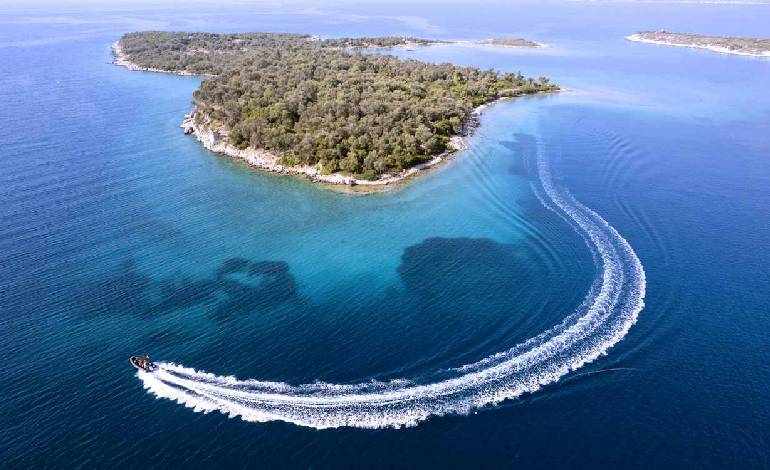
A grassroots effort led by local fishermen and conservationists, backed by international funding, has restored 310 miles of coastline between Gökova Bay and Cape Gelidonya into a thriving marine habitat, bringing back sharks, monk seals and depleted fish stocks.
The area was once designated as marine sanctuary, but illegal fishing, lack of enforcement and low local engagement had driven away sharks, seals and turtles, while legal fishing communities saw catches and incomes fall.
In 2019, the Endangered Landscapes & Seascapes Program (ELSP) — a nonprofit out of Cambridge University funded by the UK’s Arcadia Fund — awarded $3 million in grants to Turkish environmentalists to take protection into their own hands.
The project was led by conservationist Zafer Kızılkaya, co-founder of the Mediterranean Conservation Society and winner of the 2023 Goldman Environmental Prize. His goal: expand community-led protection across 100,000 acres spanning 6 marine protected areas.
The team’s first move was to bring local fishermen on board. Veterans from Gökova Bay, where Turkey’s first community-managed MPA was established in 2012, shared how fish sizes had rebounded after protections. Between 2019 and 2023, the initiative helped create or expand 18 no-fishing zones along the coast and added “highly protected” areas to existing MPAs. By 2020, this had tripled the total protected seascapes in Turkish territorial waters.
With Turkish coast guard resources stretched, the project also trained local “marine rangers.” Knowing where illegal boats operated, they worked with law enforcement to drive them off — sometimes at personal risk. Illegal fishing dropped 80% in the following years.
The results followed quickly. Fishermen reported bigger catches, a well-documented “spillover” effect from MPAs. Sandbar sharks returned to waters that are now the only place in the Mediterranean where sharks live year-round. The Endangered Mediterranean monk seal also came back, with more than 30 now living in the area.“Tourism has grown.
The number of boats visiting these areas has increased,” Kızılkaya told ELSP. “There is still fishing pressure in many places, yet monk seal numbers have continued to rise. That tells us something important about what protection can achieve.”The project is now focused on creating ecological corridors to connect habitats along the 310-mile stretch, so migrating species aren’t exposed once they leave protected zones.
“If you only protect one area, eventually many species have to leave it,” Kızılkaya said. “Fish migrate. Sharks migrate. Many species move seasonally.”Compared to 2012, Kızılkaya says the mood has changed across the Mediterranean. “15 years ago, it felt like everyone was working in isolation. Today there is a real community. We’ve seen fish populations return, we’ve seen communities benefit and we’ve seen species come back. That gives me hope.”