Scientists lab-synthesize compounds from toxic wolfsbane and larkspur for first time

East Lansing: For the first time, researchers have synthesized medicinal compounds from two famously toxic plants in the lab — a breakthrough that could open new routes for drugs to treat pain, malaria, and cancer.
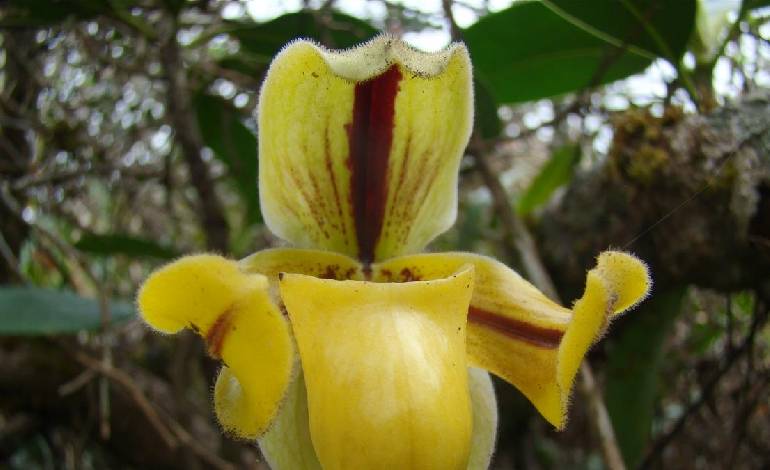
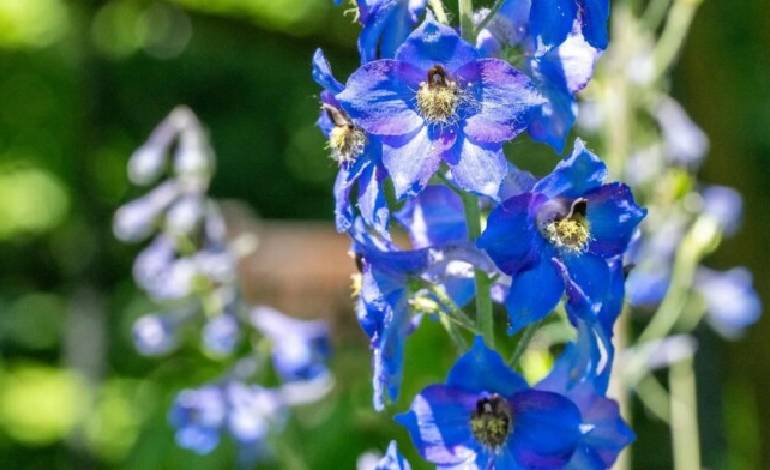
The study, published in Molecular Plant, was led by scientists at Michigan State University and the Czech Academy of Sciences. It focused on wolfsbane Aconitum and larkspur Delphinium, plants used in traditional medicine for thousands of years but also known for their toxicity.
The teams targeted a class of chemicals called diterpenoid alkaloids — complex plant compounds at the intersection of the two oldest and largest classes of plant metabolites. One of the best-known, aconitine from wolfsbane, was isolated nearly 200 years ago but has never been successfully made in a lab.
To crack the chemistry, researchers identified the genes in wolfsbane and larkspur responsible for making these compounds. They then inserted those genetic blueprints into tobacco plants to act as “biofactories.”
The engineered plants produced atisinium, a diterpenoid alkaloid, using 6 unique enzymes that folded the molecule into its complex shape and added a key nitrogen component.“Plants are the best chemists around, upgrading their arsenal of natural compounds over millions of years,” said Björn Hamberger, Endowed Professor at MSU’s Department of Biochemistry and Molecular Biology and study author.
“Understanding how to create them can help provide totally new routes of testing.”Garret Miller, MSU alum and co-first author now at University of Michigan-Flint, and Lana Mutabdžija, graduate student at the Czech Academy of Sciences and co-first author, said the work shows how engineering plant pathways could scale up production. Because plants naturally make these compounds slowly and in tiny amounts, lab synthesis could enable larger testing for drug development.
Wolfsbane and larkspur have a long and dual history — used in medicine but also linked to poisonings in antiquity. Researchers say mapping their chemical pathways could eventually lead to new drugs “inspired by these natural products” without relying solely on extracting from plants.
The collaboration began after Hamberger met scientists from Tomáš Pluskal’s lab at the Czech Academy of Sciences at a conference in Barcelona. Both groups were independently studying diterpenoid alkaloids in wolfsbane and larkspur.