India’s diabetes care model could be a blueprint for developing nations

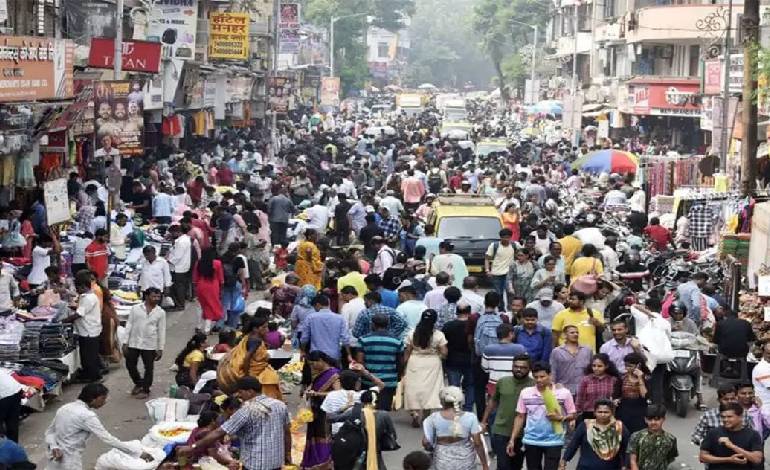
India’s experience in managing diabetes could guide other developing countries facing a similar epidemic, says Dr. V. Mohan, chairperson of Madras Diabetes Research Foundation. India has one of the largest diabetes burdens globally. Type 2 diabetes hits Indians a decade earlier than Western populations, and urban rates are 4-6 times higher than rural areas.
Risk factors unique to Indians include high familial clustering, central obesity, insulin resistance, and lifestyle changes from rapid urbanization. The scale of the challenge pushed India to develop practical, cost-effective models that other low- and middle-income countries can adapt.
Prevention is the anchor of India’s approach, according to Dr. Mohan. He stresses that the window to stop pre-diabetics from progressing to diabetes is key. Public awareness on diet, exercise, and regular check-ups can prevent complications before they start. With 136 million Indians at pre-diabetic stage, mass education on lifestyle changes is critical. Prevention here means keeping blood sugar under control and stopping the disease before complications like heart disease, kidney damage, and vision loss set in.
India also focused on cost-effective care and scale. The country leveraged IT, telemedicine, and low-cost medications to reach more people. Task-shifting to non-physician health workers and community health staff helped deliver diabetes care even where doctors are scarce. Dr. Mohan’s centres pioneered rural diabetes health models, corporate health programs, and comprehensive complication management. Nurse educators and “diabetes boards” modeled on tumor boards in oncology improved holistic care for patients.
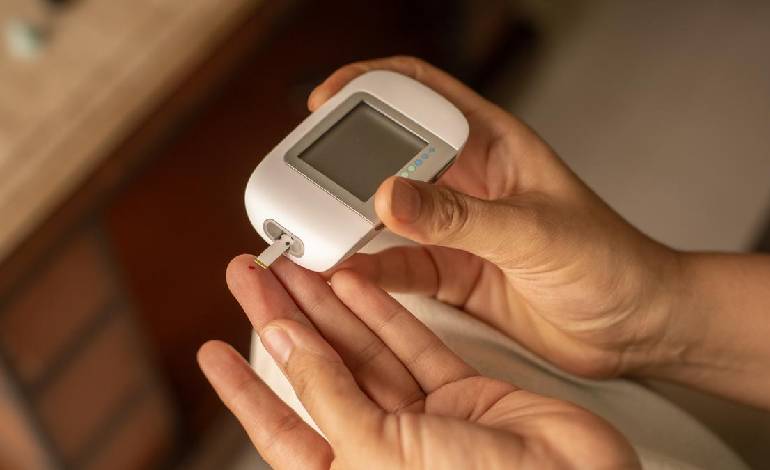
Technology played a big role too. India tested connected glucose meters, continuous glucose monitors, insulin pumps, and diabetes apps to bridge gaps in infrastructure and monitoring. Using digital tools made it easier to track patients and share data, especially in areas with limited access to specialists. Experts say integrating diabetes care with existing health networks like TB clinics or primary health centers is another model developing nations can borrow.
Global studies show widening inequalities in diabetes care. Treatment rates are stagnating in many low- and middle-income countries even as case numbers grow fast, and people in these regions develop diabetes younger. That raises the risk of lifelong complications without effective treatment. Dr. Mohan notes that India’s use of the Oral Glucose Tolerance Test as the gold standard, plus real-world evidence generation and decentralized monitoring, offers a template. He believes India’s push toward early detection and affordable management can show other countries how to act before diabetes overwhelms their health systems.