India’s farmers find new hope in ancient millets amid climate shifts

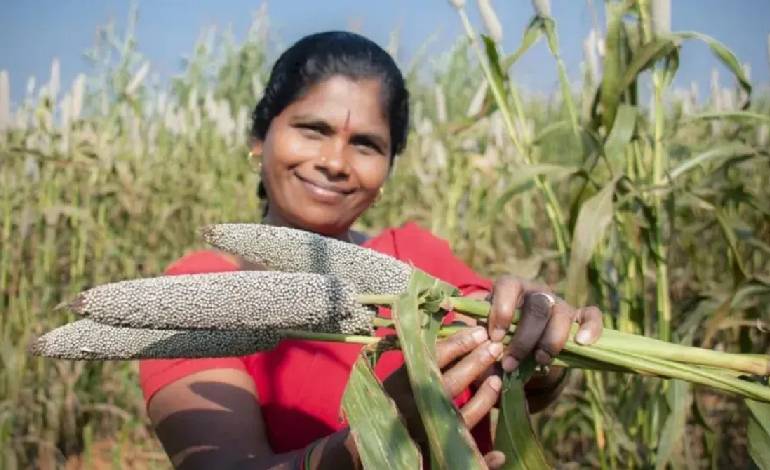
New Delhi: India’s fields are seeing a revival of ancient wisdom as farmers turn back to millets, the hardy grains that once sustained generations. Bajra rotis in Rajasthan, ragi mudde in Karnataka, and jowar bhakri in Maharashtra are returning to plates and plots, bringing resilience to both kitchens and farmlands.
Once labeled ‘coarse grains’ for rural households, millets are now being celebrated as climate-smart super crops. With monsoons growing more unpredictable, farmers across India are embracing these grains for their ability to thrive where other crops cannot.
Unlike rice and sugarcane, millets like bajra, jowar, ragi, foxtail, and kodo need far less water. They flourish in dry conditions and poor soils, tolerate high temperatures, and withstand long dry spells with ease.
Their short growing cycles give farmers a reliable harvest even when rains arrive late or stop early. For rainfed regions, that means greater food security and peace of mind.The benefits extend beyond the weather. Millets require fewer inputs like irrigation, fertilizers, and pesticides, lowering costs for smallholder farmers.
With reduced financial risk and a crop that performs under stress, farmers are gaining confidence in an uncertain climate. What was once overlooked is now a source of stability and pride.
Once dismissed as old-fashioned, millets are emerging as a win for farmers, consumers, and the environment — a return to roots that’s building a more secure future.