Rare Kentish milkwort makes strong comeback with seven-fold growth

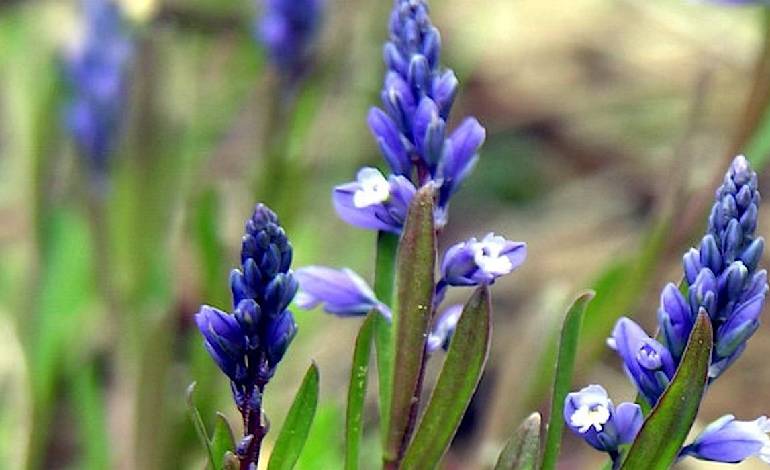
Kent: Conservationists are hailing the recovery of Kentish milkwort, a rare British flower that was once close to extinction, after a sharp rise in its population this growing season.
This year 1,245 self-sown plants were recorded at a key site, making it the largest population of Polygala amarella in the UK. That marks a seven-fold increase and a major milestone for the species.
The recovery effort began in 2013 when the plant, then known as dwarf milkwort, survived only as two separated populations in northern England and Kent. By 2010 it was found at just three Kent sites. Taxonomic work later recognized the Kent population as a distinct subspecies, adding urgency to conservation plans.
Experts collected seeds from the strongest surviving individuals and sent them to Kew Royal Botanic Gardens. The program cultivated a secure seed stock to support restoration without putting further pressure on wild plants.
Between 2018 and 2019, additional seed collections produced plants for reintroduction. In 2021, trial plantings took place at Fackenden Down and Queendown Warren, two chalk grasslands where the species had been missing for more than 50 years.
The Fackenden Down trial did not take hold. Queendown Warren, however, has seen steady growth. Numbers there climbed from 17 plants in 2022 to 47 in 2023, 86 in 2024, and 177 in 2025. Conservation partners say the results show targeted reintroduction and habitat management can pull subspecies back from the brink.