From PwC auditor to fixing leadership gaps for women in social work

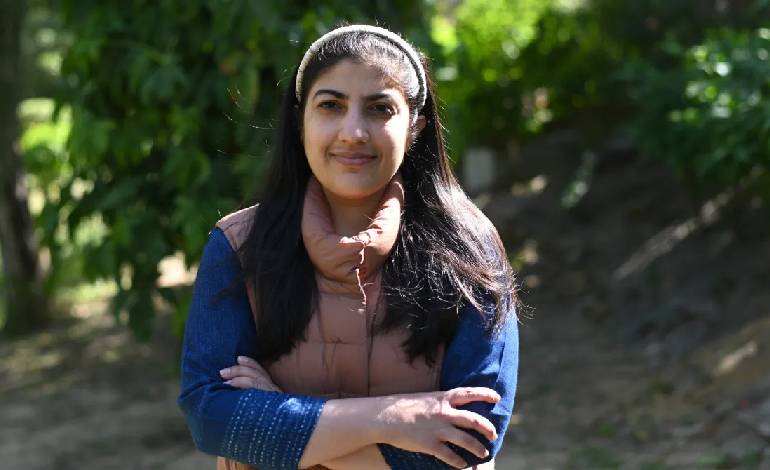
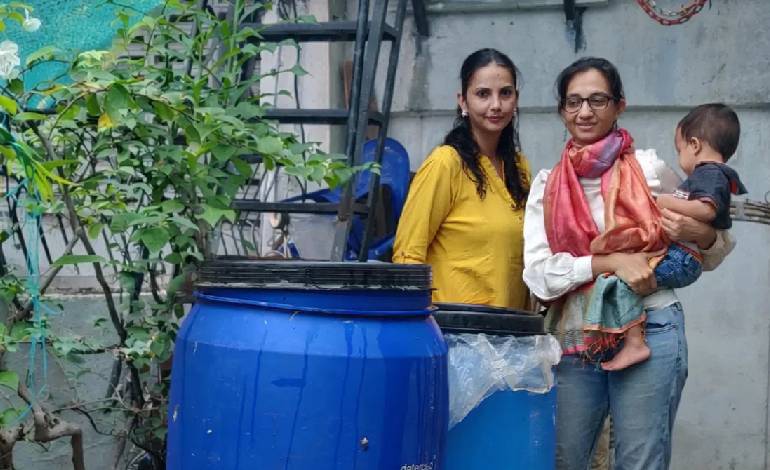
Sheethal TS was leading her team. Still, her ideas were double-checked with male colleagues first. “There were times when my inputs were double checked with male colleagues, even though I was leading the team. It made me wonder if I was even being heard,” says Sheethal, 32, a junior manager at Gram Vikas.
Jagrity Sharan knows a different version of the same story. For the development sector professional, the roadblock was timing. “It was about getting the right opportunity at the right time. When that does not happen, you begin to question your own journey,” she says.
The quiet frictions
Across India’s social impact sector, these are not one-off moments. Women enter with intent and skill. But the climb to leadership takes longer. The turns are sharper. The barriers are rarely loud. They look like a question routed to someone else. A promotion that comes late. A meeting where you wonder if your voice landed.
From audit sheets to impact gaps
Anchal Kakkar saw the pattern and started asking why. She didn’t begin in development. In 2007, Anchal joined PwC in statutory audit. The work was rigorous. It taught her systems, finance, and how organizations keep score.Over time, her questions shifted. She wanted to measure a different kind of outcome: who gets heard, who gets promoted, who shapes strategy.
Building new answers
Anchal moved into the social sector and started building. Her focus now is redesigning how organizations find, support, and advance women leaders.The work is practical. Clearer promotion tracks. Better sponsorship. Leadership paths that don’t rely on self-advocacy alone.
The aim is simple. Fewer detours for the next Sheethal. Better timing for the next Jagrity. For Anchal, it’s the same rigor she learned in audit. But the balance sheet now tracks equity, not just accounts.