Seawater DNA gives scientists new way to track dolphin health

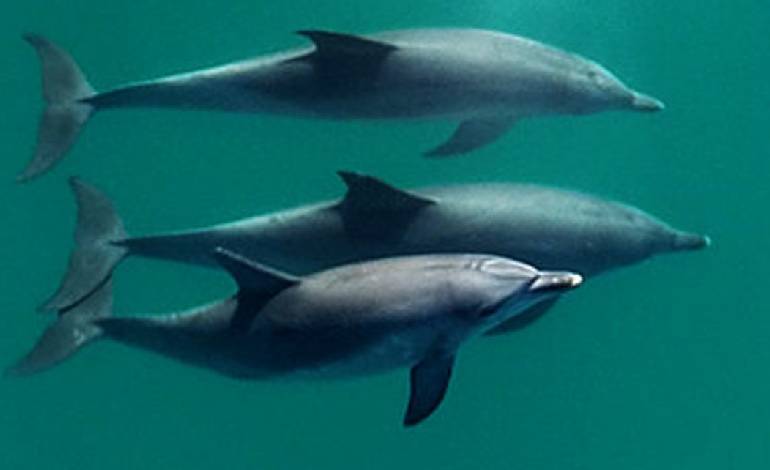
Scientists in the US have found that DNA floating in seawater is now enough to monitor the health of America’s dolphin populations.
Sampling environmental DNA, or eDNA, from open water has long been used to detect whether a species is present in an area. But until now, it offered little detail on the measures of biodiversity most useful for conservation.
Researchers have now shown that mitochondrial DNA collected from water near dolphin schools contains enough information to estimate their local effective population size, a key indicator of population health.
DNA is everywhere in the world’s oceans, shed through skin, scales, mucus, and feces, and also floating freely. Sequencing this eDNA has been a cost-effective way to gauge how many species are in a region, especially when they are rare, elusive, or live at great depths.But species richness alone is a basic metric.
Traditional eDNA methods gave limited insight into variables like the number of individuals, the balance of co-occurring species, or within-species genetic diversity, which are more critical for conservation work.