As ACs strain under 40°C heat, traditional Indian homes offer a lesson in natural cooling

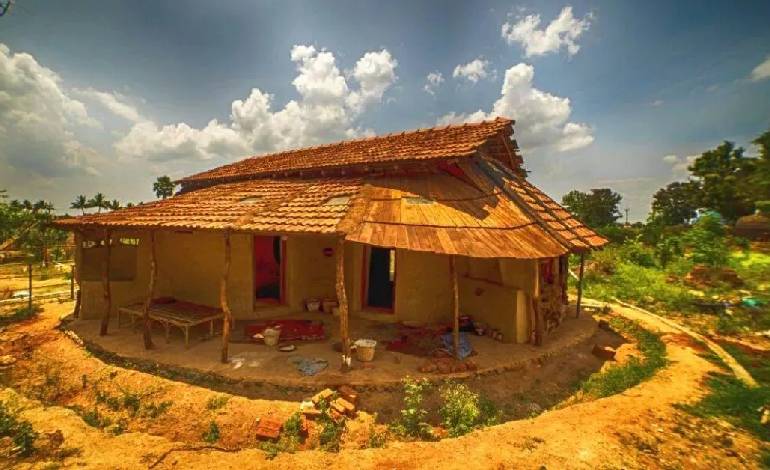
New Delhi: The afternoon sun doesn’t just shine in an Indian summer. It blazes overhead. Terrace floors burn, curtains trap heat, and ceiling fans whirl helplessly, pushing around warm air.
In cities, air conditioners hum through the day as temperatures climb past 40°C, sending electricity bills soaring. Cooling today feels like a battle fought with machines, sealed windows, and rising energy costs. But step into an older Indian home, and the story shifts from artificial cooling to something far more sustainable and intuitive.
The air feels cooler, softer. A faint earthy fragrance lingers as a breeze passes through damp khus mats hanging by the windows. In the courtyard, thick mud walls quietly keep the harsh heat at bay.
Architects and climate experts say these traditional methods — high ceilings, jaali work, cross-ventilation, and natural materials like lime plaster and terracotta — were designed to work with the climate, not against it. With power demand hitting record highs each summer, designers are now revisiting these time-tested techniques. Several new projects across Rajasthan, Tamil Nadu, and Gujarat are blending khus screens, courtyards, and thermal mass walls with modern planning to cut AC dependence.
As India swelters, the past may hold the blueprint for cooler, cheaper, and greener summers.