Comedians redefine career paths with breaks, returns, and honest sets

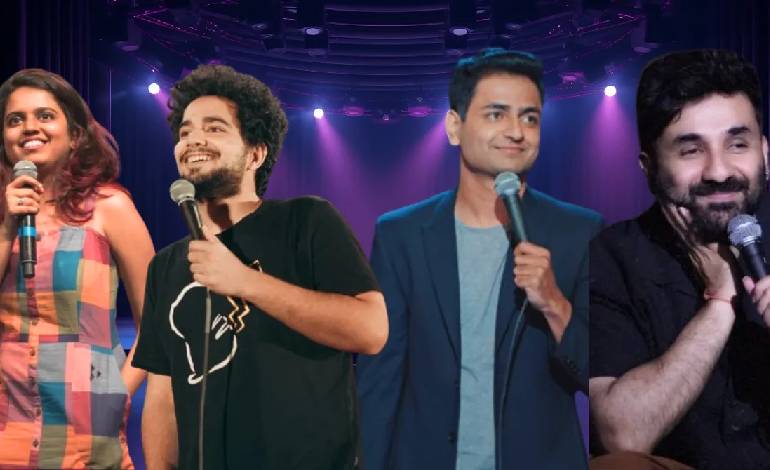
Delhi: Across Indian stand-up comedy, established names are stepping away from public performance and returning with work that reflects the pause. Vir Das, Samay Raina, Aishwarya Mohanraj, and Kenny Sebastian are among those shaping a shift in how comedians manage work, rest, and comebacks.
In 2026, Samay Raina returned to the stage after months away with a new set titled Still Alive. The material came after a period when his show had stopped and his schedule had gone quiet. Rather than pick up where he left off, Raina built the set around the pause itself, exploring what it means to stop and begin again. “If someone pauses and comes back after a difficult phase, you realise you don’t need to panic every time something goes wrong,” said Pune-based performer Krithik P.
For Aishwarya Mohanraj, the decision to step back has been tied to personal health. She has spoken about living with PCOS, hypothyroidism, and depression while continuing to write and perform. In 2026, she shared a video about medically supervised weight management, presenting it as a direct account of the process without framing it as a milestone. She has also talked about being okay with not being productive all the time. A law student in Chennai who watched the video said it made her feel “like you don’t have to earn your rest anymore.”Vir Das has used gaps between projects to shift his work.
After a phase away from regular releases, he returned with Landing, which received the International Emmy Award for Best Comedy. His 2025 special Fool Volume moved across cities and formats, marking a distinct phase rather than a continuation. Chennai-based emcee Santhosh Charu said seeing someone continue after a difficult phase gave him confidence to keep going with smaller gigs.
Kenny Sebastian, one of the early faces of India’s YouTube stand-up wave, has moved away from the constant cycle of write, tour, release, repeat. His work now spans music, animation, and longer projects that take more time and do not demand constant visibility. He has described pacing as essential to sustaining a long career.
Across these returns, audiences are responding to work that carries traces of the time away. Content continues to circulate long after release, and the connection with viewers does not depend on constant presence. As cultural commentator Ankur Pathak noted, “cultural permission often begins with those who already have visibility, and filters down later to those still building it.”
The pattern emerging is clear. Pauses, breaks, and returns are becoming part of the process. You can step away when you need to. You can return when you are ready.