Gujarat’s fisherfolk turn guardians of the ocean: Whale shark conservation success story

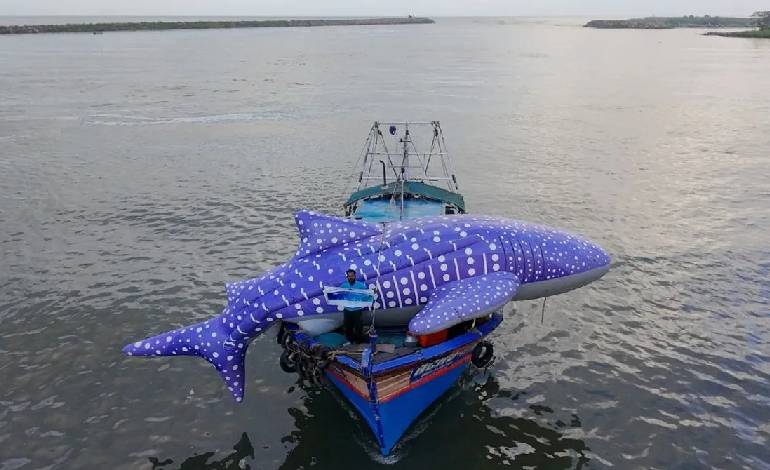
In a remarkable turnaround, the fisherfolk of Gujarat’s Veraval have transformed from hunters to protectors of the whale shark, one of the world’s largest fish species. For decades, these fishermen targeted whale sharks for their valuable fins and liver oil, earning substantial profits.
However, with changing times and awareness, they now navigate their boats around these gentle giants, recognizing the importance of conservation.”Paani mein taare (stars in the water),” says Ratilal Bamaniya, a 47-year-old fisherfolk, describing the technique used to spot whale sharks. The unique pattern of spots and stripes on the whale shark’s body resembled stars in the water, guiding fishermen to their location.
In the late 1900s, whale sharks were hunted for their fins, which fetched high prices in the Chinese market, and liver oil, used to waterproof boats. Fisherfolk earned Rs 40,000 to Rs 1,50,000 per fish, unaware of the devastating impact on the species.However, with the species listed as endangered and protected under India’s Wildlife Protection Act, the fisherfolk of Veraval have shifted their stance. They now work alongside conservation organizations and the Gujarat government to protect whale sharks and preserve marine biodiversity.
The Gujarat government and organizations like the World Wildlife Fund (WWF) have played a crucial role in educating fisherfolk about the ecological significance of whale sharks and the benefits of conservation. As a result, Veraval has become a model for community-led conservation, demonstrating that local communities can be powerful allies in protecting endangered species.