After great apes, scientists find African elephants self-medicate too

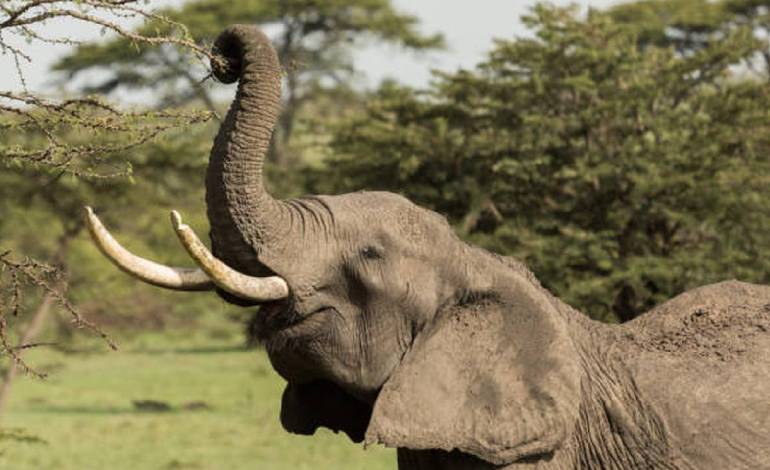
New Delhi: In a major discovery that expands our understanding of animal intelligence, scientists have found that African elephants also practice self-medication, a behaviour previously documented extensively in great apes.
The finding adds elephants to a growing list of animals known for their intuitive pharmacological knowledge — a behaviour scientists term zoopharmacognosy.
Until now, researchers have observed orangutans balming their wounds with medicinal plants, chimpanzees consuming bitter antibacterial leaves to fight infections, Indo-Pacific bottlenose dolphins queuing up to rub against selected corals, and birds smearing their nests with insecticidal plants to fend off anaemia-causing mites.
The latest study found that elephants undertake long, purposeful journeys to find specific medicinal plants. Researchers noted that the elephants travelled long distances to get to a particular tree without foraging on the way, with a single-minded mission to consume its bark or leaves.
What makes the discovery particularly significant is that several of the plants used by the elephants are also consumed as part of indigenous human traditional medicine, pointing to a shared botanical knowledge between humans and wildlife.
While most of these medicinal resources are plant-based — including barks, leaves and resin — scientists say animals also treat themselves with non-plant substances like charcoal, clay and insects to treat endoparasite infestations, respiratory and fungal infections, wounds, and gastrointestinal problems.
The research offers new insights into how wild animals manage their health in the absence of modern medicine and could help in identifying new medicinal plants for human use.