From cartoon to desert: How real Roadrunners outsmart coyotes

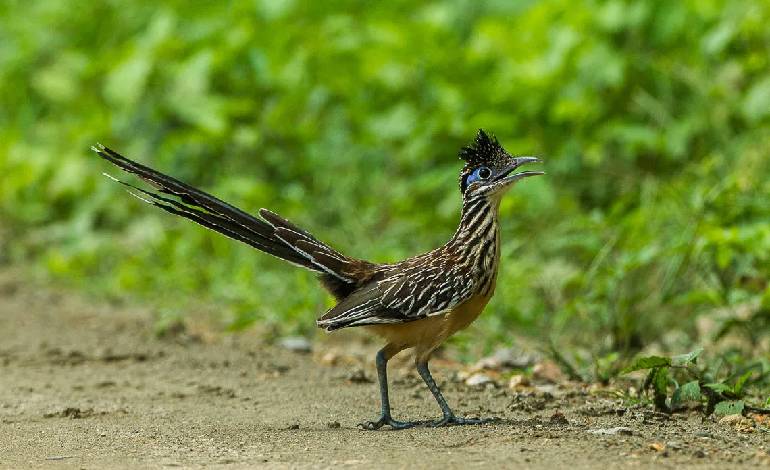
The famous cartoon chase between Wile E. Coyote and the Road Runner is beloved, but in real life, the contest would look very different, according to ecologists.
Greater roadrunners live across arid grasslands, deserts and other habitats in the American Southwest and northern Mexico, a range they share with coyotes.
While cartoons portray roadrunners as prey that always escapes, the birds are actually adept predators themselves. They eat everything from horned lizards to scorpions and even hunt rattlesnakes by bashing them against rocks.
Coyotes, meanwhile, are opportunistic omnivores. Wildlife ecologist Scott Henke of Texas A&M University, Kingsville, notes they feed on whatever is available, including fruits and berries in spring, mesquite pods in summer, and grasshoppers, rodents and rabbits in winter.
When it comes to speed, the cartoon gets it wrong. Coyotes can reach nearly 43 miles per hour, more than twice as fast as a roadrunner, which tops out at around 15-20 mph.
However, roadrunners are hard to catch. They are agile, darting back-and-forth and weaving in and out of bushes to slow down predators. Their last resort is short bursts of flight to perch in trees.”Coyotes cannot climb trees or strap springs on their feet to bounce up into the tree branches,” says Henke.
In short: In a straight-line sprint, the coyote wins. In the desert brush, the roadrunner’s agility keeps it alive.